
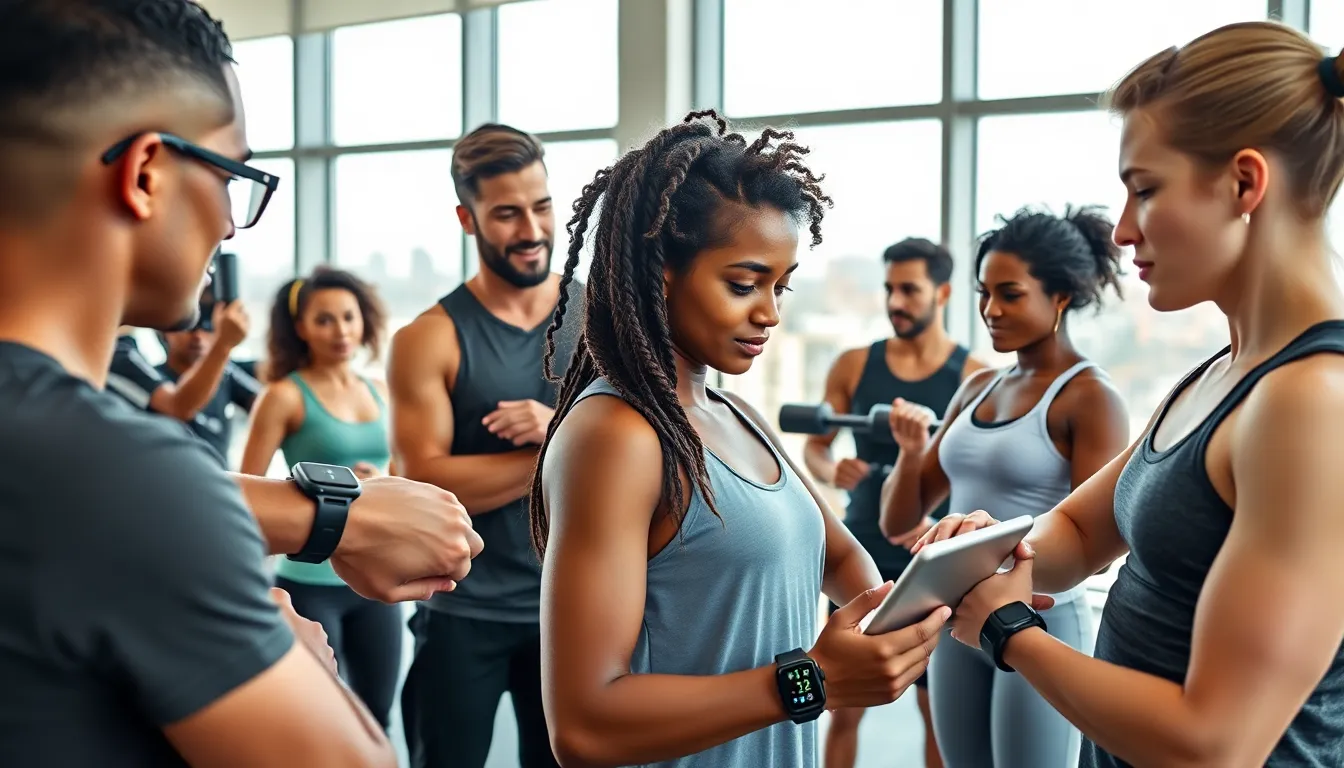
Fitness and training plans trends 2026 are shaping up to be a major shift from what people have known in recent years. Technology, science, and community are converging to create workout experiences that feel more personal, more connected, and more effective than ever before. Whether someone is a dedicated gym-goer or just starting their fitness journey, the coming year promises exciting changes. From AI-driven workouts to recovery-first philosophies, 2026 will redefine how people approach their health goals. Here’s what to expect.
Table of Contents
ToggleKey Takeaways
- AI-powered training programs are leading fitness and training plans trends 2026 by delivering personalized workouts that adapt to your sleep, stress, and recovery in real time.
- Wearable technology now tracks advanced metrics like heart rate variability and muscle activation, helping users train smarter and reduce injury risk.
- Hybrid fitness models combining virtual and in-person training offer flexibility without sacrificing quality coaching or progress tracking.
- Recovery-focused and longevity-based approaches are replacing extreme training volumes, emphasizing sustainable strength and long-term mobility.
- Community-driven fitness through online groups, challenges, and local events boosts accountability and keeps people consistent with their goals.
AI-Powered Personalized Training Programs
Artificial intelligence is no longer a futuristic concept in fitness, it’s the foundation of many training plans trends 2026 will bring to the mainstream. AI-powered programs analyze user data, including workout history, sleep patterns, stress levels, and even genetic markers, to create highly specific training schedules.
These systems learn as users progress. They adjust rep counts, rest periods, and exercise selection based on real-time feedback. If someone skips leg day or reports muscle soreness, the AI recalibrates the week’s plan. This kind of adaptability was once available only to elite athletes with personal coaches. Now, it’s accessible through smartphone apps and smart gym equipment.
Major fitness platforms are investing heavily in machine learning algorithms. The goal? Remove guesswork from training. Users receive programs that match their body’s readiness on any given day. This approach reduces injury risk and accelerates progress.
The rise of AI in fitness and training plans trends 2026 also extends to nutrition. Many AI coaches now sync with meal-tracking apps to align caloric intake with workout demands. It’s a holistic system that treats fitness as more than just time in the gym.
Wearable Technology and Real-Time Performance Tracking
Wearables have evolved far beyond step counting. In 2026, fitness and training plans trends increasingly rely on devices that track heart rate variability, blood oxygen, skin temperature, and muscle activation. These metrics provide a clearer picture of how the body responds to exercise.
Smartwatches and fitness rings now offer actionable insights during workouts. A runner can see their stride efficiency in real time. A weightlifter can monitor muscle fatigue mid-set. This data helps users push harder when they’re fresh and back off when they’re depleted.
Integration is key. Wearable data flows directly into training apps, which adjust future sessions accordingly. Someone who slept poorly might see their scheduled high-intensity session swap to mobility work. This feedback loop keeps training aligned with recovery.
New wearables are also getting smaller and less intrusive. Smart patches and even smart clothing track biometrics without the bulk of traditional devices. As wearable technology advances, expect fitness and training plans trends 2026 to lean heavily on continuous monitoring. The body’s signals become the guide, not arbitrary schedules.
Hybrid Fitness Models Combining Virtual and In-Person Training
The pandemic accelerated virtual fitness adoption, but 2026 marks the maturity of hybrid models. People want flexibility. They also want the energy of in-person classes and the accountability of a real trainer. Hybrid fitness and training plans trends 2026 deliver both.
Many gyms now offer memberships that blend on-site workouts with virtual sessions. A user might attend spin class on Tuesday, then stream a strength workout at home on Thursday. Progress syncs across platforms, so trainers see the full picture.
Virtual reality is also gaining ground. VR fitness games and immersive workout environments make home training more engaging. Users can cycle through virtual mountain trails or box against AI opponents. These experiences add variety and keep motivation high.
For busy professionals, hybrid models remove barriers. No commute doesn’t mean no workout. And when they do visit the gym, they get coached sessions that build on their at-home progress. This blend of convenience and quality defines fitness and training plans trends 2026 for a large segment of the market.
Recovery-Focused and Longevity-Based Training Approaches
Training hard isn’t enough. Recovery is where adaptation happens, and 2026 fitness and training plans trends reflect this truth. More programs now prioritize sleep, stress management, and active recovery as core components, not afterthoughts.
Longevity-focused training is also rising. Instead of chasing short-term aesthetic goals, many people want to move well at 70, 80, and beyond. Programs designed for longevity emphasize joint health, mobility, and sustainable strength. They avoid the extreme volumes that lead to burnout or injury.
Recovery tools are becoming standard in home gyms. Percussion massagers, cold plunge tubs, and infrared saunas are no longer luxury items. Apps now remind users to stretch, meditate, or take rest days based on their accumulated training load.
This shift represents a maturation in fitness culture. Fitness and training plans trends 2026 show people understanding that progress isn’t linear. Rest isn’t weakness. The smartest athletes, and weekend warriors, know that recovery is training too.
Community-Driven Fitness and Social Accountability
Solo workouts have their place, but community keeps people consistent. Fitness and training plans trends 2026 highlight the power of social connection in achieving health goals. Group challenges, leaderboards, and workout buddies, virtual or in-person, create accountability that apps alone can’t match.
Online fitness communities are thriving. Platforms connect users with similar goals, schedules, or fitness levels. These groups share progress, celebrate wins, and offer support during slumps. The sense of belonging drives adherence.
Local fitness clubs and boutique studios are also doubling down on community. Events, workshops, and social meetups turn gym members into friends. When workouts become social events, attendance improves.
Trainers recognize this trend. Many now build community features into their programming. Clients join private groups where they post workout videos, ask questions, and cheer each other on. Fitness and training plans trends 2026 prove that people exercise better together. Connection is a performance enhancer.